

Exploring Perthshire, Aberdeenshire and the Highlands: A hunter’s paradise
Hunting in Scotland holds a unique charm, rooted in centuries-old traditions intertwined with the country’s culture and history. This activity harkens back to an era when it was reserved for nobility and landowners, symbolizing power and prestige. Today, while more accessible to the public, it retains that aristocratic touch, especially on large estates.
Imagine yourself in the Scottish Highlands: vast, unspoiled landscapes, towering mountains, and solitary lochs. It is here that hunting for red deer, grouse, and other wild birds takes place. It’s not just a sport but an immersion in breathtaking scenery that adds adventure and beauty to the experience.
Types of Hunting in Scotland
In Scotland, various types of hunting are practiced, which can be divided into two main categories: small game hunting and ungulate hunting.


Small Game Hunting
- Grouse Hunting (Lagopus lagopus scotica): Perhaps the most iconic hunting in Scotland, grouse are found in the moorlands of the Highlands. The hunting season starts on August 12, known as “The Glorious Twelfth,” attracting hunters from around the world.
- Woodcock Hunting (Scolopax rusticola): This hunting requires skill and patience, as the woodcock is known for its erratic and sudden flight. Scottish forests provide the ideal habitat for this species.
- Pheasant Hunting (Phasianus colchicus): Introduced for hunting, pheasants are widespread in Scottish estates. Pheasant hunting is often a social event, with large organized shoots.
- Rabbit and Hare Hunting: These hunts are common in rural areas and offer an interesting challenge due to the speed and agility of the prey.
Ungulate Hunting in Scotland
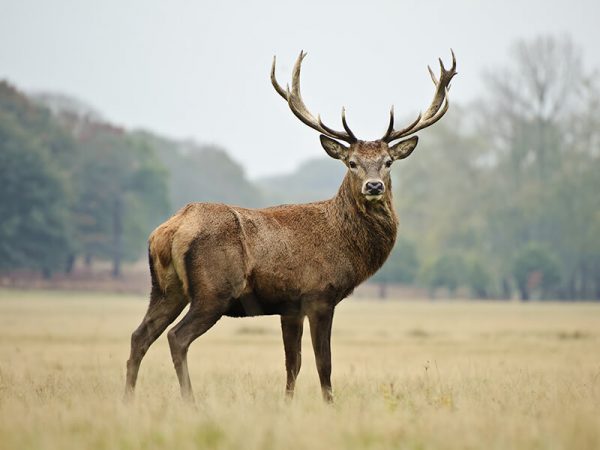
- Red Deer Hunting (Cervus elaphus): The red deer is the largest land mammal in the UK. Red deer hunting, especially in the autumn season, is considered one of the most prestigious hunting experiences. The “rutting season” is particularly valued.
- Fallow Deer Hunting (Dama dama): Introduced in Scotland, fallow deer are mainly hunted in forests and parks. Their hunting is less demanding than red deer but equally fascinating.
- Roe Deer Hunting (Capreolus capreolus): The roe deer is the smallest of the ungulates hunted in Scotland. Roe deer hunting requires precision and knowledge of the territory and is practiced year-round, with two main seasons: one in spring and one in summer.


Conservation and Management
Hunting in Scotland is not just for sport. It is an integral part of wildlife management and environmental conservation. Regulated practices help maintain ecological balance, prevent overpopulation of certain species, and protect natural habitats. This ecological aspect is vital for the health of species and the environment.
Social Events and Traditions
Moreover, hunting is a social event. After a day of hunting, it is traditional to gather for a toast and a communal meal. These moments strengthen bonds among participants, celebrating nature and the hunted animal with respect and gratitude.
Clothing and Equipment
Then there’s the charm of clothing and equipment. Think of tweed, not only practical for the Scottish climate but also elegant. The weapons and accessories, often of high quality, are designed to last and add a touch of style to the hunting tradition.
Scotland is one of the most required hunting destinations for hunters who are passionate of small game hunting, but you can also have experience in hunting big game. You can choose between three Scottish areas, where hunters can find both small and big game: Perthshire, Aberdeenshire and the Highlands.
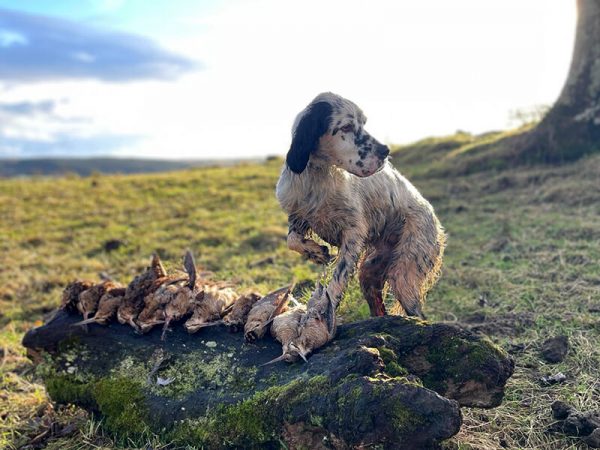

Thanks to the Gulf Stream, Scotland has a mild climate even in the coldest season, and woodcocks arrive in numbers from Norway to spend the winter in the Scottish Highlands and the surrounding lowlands.
In all three areas you can also hunt big game such as deer and roe deer.
Between the green of the coniferous woods and the meadows of the glens, between the yellow of the Scottish broom and the gloomy ocean mottled by the foam of the waves, the hunter, with his rifle, will be able to experience the intensity of the stalking ungulates hunting while the angry bark of a roe deer or the powerful roar of the deer fill the fresh and fragrant air of peat.

Perthshire is another of the Scottish areas you can choose. In the hilly landscapes of Perthshire there are numerous estates in which to practice your preferred type of hunting. Wood pigeons descend in a vortex on the barley fields, hares emerge from the pastures and the magical flight of grouse resounds among the heather-covered hills. There are also geese and ducks for your waterfowl hunting and deer and roe deer for your big game hunting.
Regarding small game hunting, you can choose different types of hunting: hunters can opt to hunt grouse, wood pigeon or mixed shooting. The last one can be done from October to January and it is the most complete type of Scottish hunting because it includes pheasants, partridges, red partridges, woodcocks, ducks, geese, hares, and grouse.
Spring wood pigeons hunting takes place on freshly cultivated land with barley, wheat, rapeseed and peas. Instead, the summer hunt takes place at the time of threshing and it is organized with decoys and calls around the hides. The habitat is perfect and favors a great proliferation and nesting of this bird which is obviously considered as harmful by farmers.
On the other hand, Scotland Perthshire includes also big game hunting, especially deers and roe deers. Perthshire is known as the big county and offers a wide variety of landscapes, from the wide valleys, rich for their agriculture, to the east, to the mountains of the west (southern Highlands), where roe deers live and grow up.
Tips and Tricks
Hunting attire in Scotland is a fundamental part of the tradition, combining functionality with respect for local customs. Here are some of the main rules and traditional aspects related to hunting attire in Scotland:


Traditional Rules for Hunting Attire in Scotland
Tweed: Tweed is the quintessential fabric for Scottish hunting attire. Made from wool, it is durable, warm, and suitable for the often wet and cold conditions of the Highlands. Jackets, trousers, vests, and hats made of tweed are essential elements of traditional attire.
Color and Patterns: The colors and patterns of tweed are chosen to blend in with the natural environment. Shades of green, brown, and gray are common, often with check or herringbone patterns. Each hunting estate may have its distinctive tweed design.
Hats: The tweed hat is an essential accessory while hunting in Scotland. The most common style is the flat cap, which provides protection from the cold and rain. Some hunters also wear the deerstalker, a hat with ear flaps, particularly useful on colder days.
Socks and Gaiters: Hunters often wear long wool socks, usually in dark green, gray, or brown, paired with tweed or wool gaiters to protect the legs from the elements and vegetation.
Vests and Jackets: The tweed vest is a popular choice for hunting, offering warmth and freedom of movement. Tweed jackets are designed to be functional, with many pockets for ammunition and accessories. Some jackets are waxed for added water resistance.
Shirts: Shirts worn during hunting are generally made of cotton or flannel, often in check patterns. These shirts are comfortable and suitable for layering.
Boots: Rubber or leather boots are essential for navigating the often muddy and wet terrain of the Highlands. The boots need to be waterproof and comfortable for long walks.


Accessories: Wool scarves, ties, and gloves are often used for additional warmth and protection. Leather or suede vests can also be worn under the jacket for extra warmth and protection.
Hunting in Scotland: Curiosities and Traditions
Estate Badges: In some hunting estates, it is common to wear a badge or distinctive marker identifying affiliation with a particular estate or hunting group. This could be a small metal badge or a piece of tweed with the specific estate design.
Dress Code for Social Events: During social events related to hunting, such as the post-hunt toast or communal meals, a more formal dress code may be required. Men might wear ties and vests, while women might opt for tweed dresses or skirts with elegant blouses.
Hat as a Sign of Respect: During ceremonies or moments of respect, such as placing a sprig in the mouth of a hunted deer, it is traditional to remove one’s hat as a sign of respect.
Hunting attire in Scotland is not just about functionality but also about respecting traditions and local customs. Wearing the appropriate attire not only helps cope with often harsh weather conditions but also demonstrates an appreciation for the culture and history of Scottish hunting. For a foreign hunter, adopting these traditional elements can significantly enrich the hunting experience in Scotland, making it more authentic and immersive.
Big game hunting

Roe deer
From April to October

Deer
From April to October
Small game hunting

Woodcock
From middle of November to 31st January

Wood pigeon
All over the year

Grouse
From August to November

Pheasant
From October to January

Hare
From October to January

Duck
From October to January

Goose
From October to January
Gallery


